Hogyan zajlik egy borvacsora egy steakhouse-ban?
- La Pampa team

- 8 órával ezelőtt
- 6 perc olvasás
The first pour arrives with more than a glass of wine. It arrives with a story: the character of a vineyard, the intention behind a dish, and the anticipation of the course to follow. If you have ever wondered hogyan zajlik egy borvacsora, or how a wine dinner unfolds, the answer is simple: it is a carefully paced evening in which food and wine are designed to reveal more in one another.
At its best, a wine dinner is not a standard meal with several wines added beside it. Every course, pour, temperature, and transition has a purpose. For guests who appreciate exceptional steak, thoughtful hospitality, and an evening that feels distinct from an ordinary reservation, it offers a more personal way to experience the table.
Hogyan zajlik egy borvacsora?
A wine dinner typically follows a set menu created around a featured winery, a wine region, or a specific winemaking style. Rather than choosing each dish and bottle independently, guests are guided through a sequence of courses, with a selected wine served alongside every plate.
The evening often begins with a welcome wine and a brief introduction. This first moment sets the tone without demanding too much attention from the table. Guests settle in, meet the people they came with, and begin to understand the culinary direction of the night. An elegant sparkling wine, a lively white, or a lighter red may be chosen to awaken the palate before the richer courses begin.
Then the dinner progresses course by course. The service team presents each plate, while a sommelier, host, or representative of the winery explains why that particular wine was selected. The explanation is not a lecture. It should be concise, engaging, and useful: what to notice in the aroma, how the wine’s acidity or tannin interacts with the dish, and perhaps a detail about the grape, vintage, or producer that gives the pairing greater meaning.
Between courses, there is time for conversation. That rhythm is one of the defining pleasures of a wine dinner. It is more deliberate than a quick dinner out, but it should never feel rushed or overly formal. A well-run evening allows the wines, dishes, and company to develop naturally.
Pairing is the heart of the experience
The central idea behind a wine dinner is harmony, though harmony does not always mean similarity. A crisp, mineral white can sharpen the flavors of seafood or cut through the richness of a creamy preparation. A red with vibrant acidity may bring freshness to a deeply savory dish. A full-bodied wine can stand confidently beside a beautifully marbled steak, while a restrained, elegant red may be a better match for a leaner cut or a more delicate sauce.
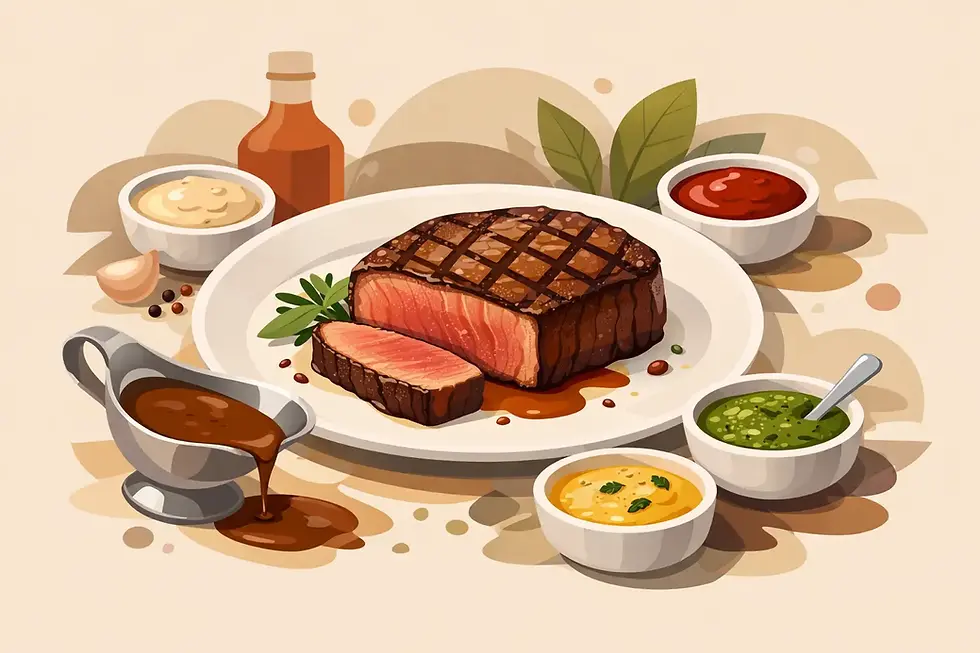
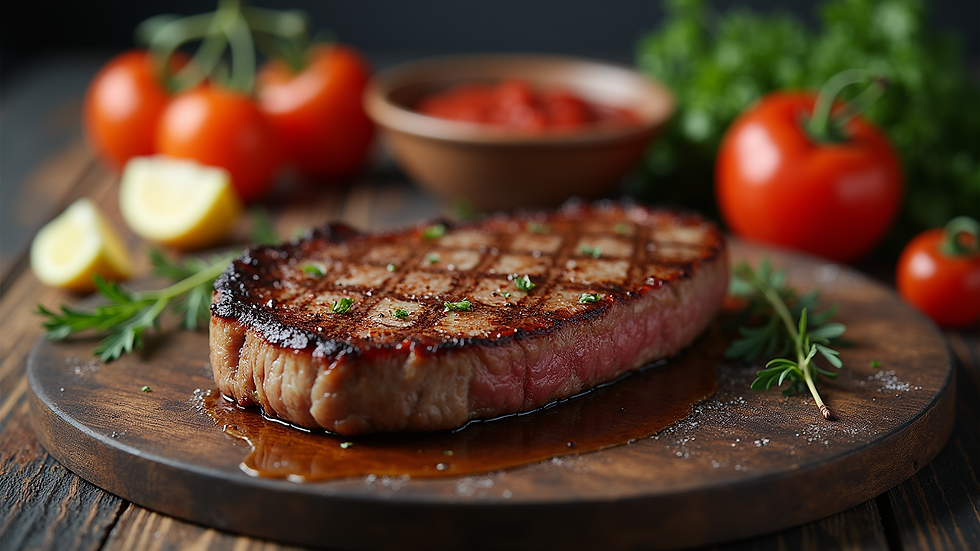
With steak, the details matter. Fat carries flavor and softens tannin, which is why structured reds are classic companions to richly marbled beef. Yet a powerful wine is not automatically the best choice. The cut, aging method, seasoning, cooking temperature, and side dishes all influence the final pairing.
A tenderloin, for example, has a refined texture and comparatively subtle fat profile. It can be elevated by a polished Cabernet Sauvignon, but it may also shine beside an expressive Malbec with fresh dark-fruit character. A ribeye, with its pronounced marbling, welcomes a wine with firmer tannins and concentration. For a Wagyu course, the wine needs enough structure to refresh the palate, while retaining balance so it does not overwhelm the meat’s exceptional richness.
This is where professional pairing becomes more than a familiar rule about red wine and beef. It becomes a conversation between textures, aromas, intensity, and finish.
The order of wines matters
Wine dinners are usually arranged from lighter to fuller styles. The palate is gradually introduced to greater weight, deeper fruit, and more pronounced structure. Starting with the most intense red wine would make a subtle white or a fine, aromatic dish seem quiet by comparison.
A classic progression may begin with sparkling wine or a fresh white, continue through a textured white or light-bodied red, then arrive at more substantial reds for the main course. Dessert may be paired with a late-harvest wine, a fortified selection, or a carefully chosen red whose sweetness comes from ripe fruit rather than residual sugar.
That sequence is flexible. A menu centered on Argentine cuisine and premium beef may rightfully give red wines a leading role. Still, an expertly planned evening makes room for contrast. A bright opening wine can make the later Malbec, Cabernet, or Syrah feel even more compelling.
What guests can expect at the table
A wine dinner rewards curiosity, not expertise. No one needs to recognize every aroma or know every appellation to enjoy it. The most valuable approach is simply to taste attentively.
Before taking a sip, look at the wine’s color and take in its aroma. Then taste it on its own. Notice whether it feels light or full, fresh or velvety, restrained or generous. Next, try it with the dish. The difference can be immediate. A wine may appear more fruit-driven beside a salty element, softer beside a rich bite of beef, or brighter after a creamy sauce.
There is no single correct impression. One guest may find a pairing especially appealing because the wine’s acidity refreshes the palate; another may prefer how its spice echoes the dish’s charred exterior. The pleasure comes from paying attention and comparing those impressions across the table.
For business dinners, this format provides a natural structure without making conversation feel scripted. Each course offers a fresh point of interest and a pause between topics. For couples and close friends, it creates a sense of occasion that lasts beyond the final course. The experience feels considered, yet the most successful wine dinners remain warm and relaxed.
How to prepare for a wine dinner
There is little preparation required, but a few choices can make the evening more enjoyable. Arrive on time, especially when the dinner includes a hosted introduction. These events are built around a sequence, and joining after the early wines have been served means missing part of the story.
Avoid wearing a strong fragrance, since it can interfere with the aromas in the glass for both you and nearby guests. It is also wise to come with an appetite, but not completely hungry. Wine is best appreciated alongside food, and a multi-course evening is meant to be savored rather than rushed.
If you have dietary restrictions or allergies, let the restaurant know when reserving. A fixed menu gives the kitchen the opportunity to plan each pairing precisely, but advance notice often makes it possible to create an alternative that still respects the evening’s intention. Some substitutions are easier than others. Replacing one garnish may be straightforward; replacing the protein in a steak-centered course can change the wine match entirely.
There is also no need to finish every pour. A wine dinner is about discernment, not quantity. Sip slowly, drink water throughout the meal, and feel free to return to a wine after tasting it beside the food. Responsible enjoyment preserves the clarity and pleasure of each course.
A steakhouse setting brings added depth
In a serious steakhouse, a wine dinner gains a special dimension because premium beef offers such a broad range of pairing possibilities. The flavors of a carefully selected, expertly grilled cut are direct and memorable: smoke, salt, caramelization, savory depth, and, depending on the cut, remarkable marbling.
At La Pampa, an international steak selection and an extensive cellar, including Hungary’s largest Malbec selection, create the right setting for this kind of exploration. The appeal is not simply the breadth of choice. It is the opportunity to see how a wine’s origin, structure, and personality can change the way a particular cut is experienced.
A Malbec from Argentina may offer the dark fruit, floral lift, and supple tannins that make it a natural partner for grilled beef. A more mature Bordeaux-style blend may introduce cedar, tobacco, and layered complexity. A bold red from another part of the world can bring an entirely different perspective to the same plate. In a curated dinner, those decisions are made with precision, allowing guests to focus on the enjoyment rather than the research.
The final course does not have to signal an abrupt end. A beautifully matched dessert, a final sip, and unhurried conversation allow the evening to settle into memory. That is the lasting appeal of a wine dinner: it gives every glass a context, every course a companion, and every guest a reason to stay at the table just a little longer.