Steakhez illő szószok: The Right Sauce for Steak
- La Pampa team

- 4 nappal ezelőtt
- 6 perc olvasás
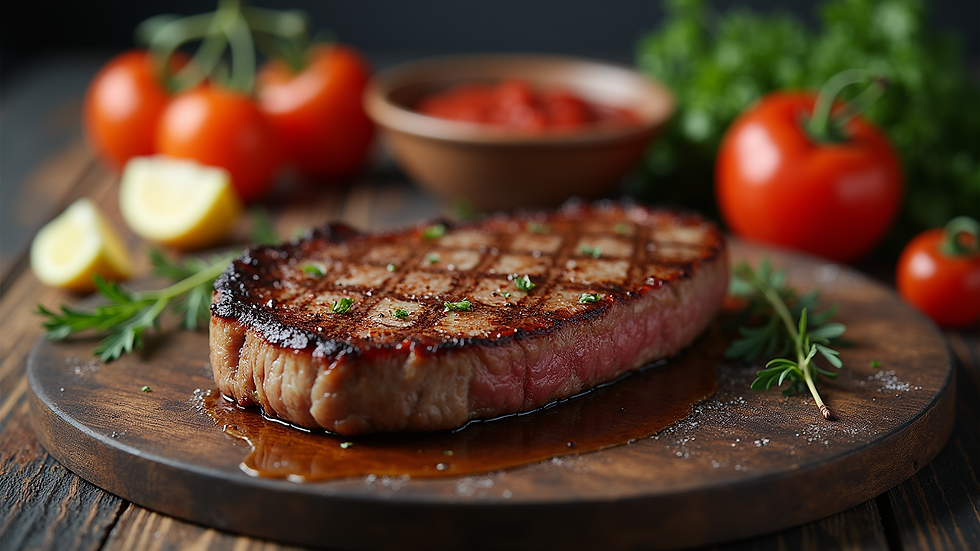
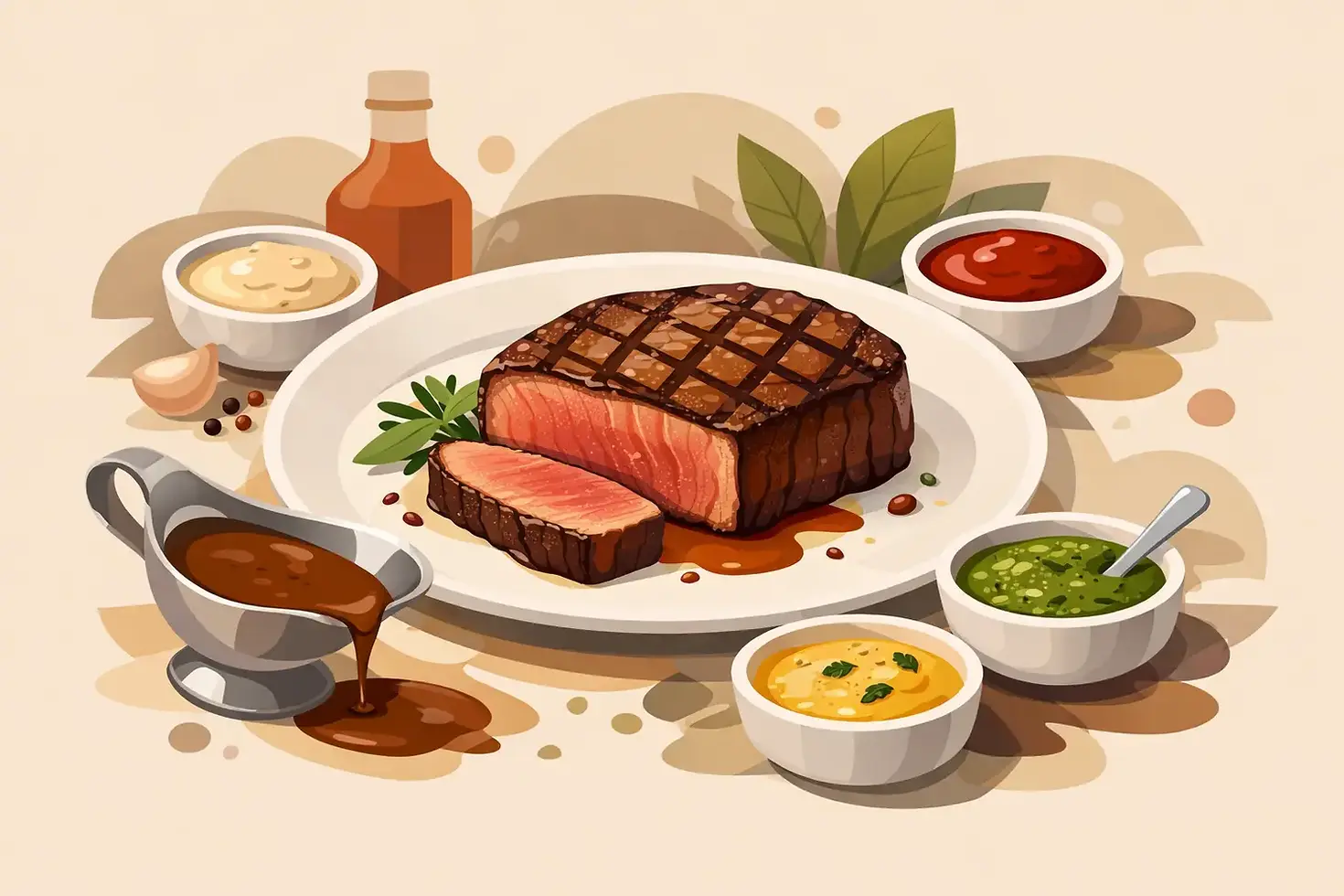
A beautifully prepared steak has already done most of the work before it reaches the table. Its crust should be deeply caramelized, its center precisely cooked, and its resting time respected. The Hungarian expression steakhez illő szószok refers to sauces that belong alongside steak, but the best ones never compete with the beef. They frame its character, adding brightness to a rich ribeye, freshness to a lean filet, or depth to a boldly marbled Wagyu cut.
At a serious steakhouse, sauce is not an afterthought. It is a decision about balance. The same sauce can elevate one cut and overwhelm another, especially when the beef comes from different breeds, feeding styles, and origins. A delicate tenderloin asks for a different partner than an intensely flavored, grass-fed strip steak. The cooking level, side dishes, and wine in the glass all matter as well.
Steakhez illő szószok begin with the cut
The first rule is simple: the more pronounced the steak’s fat and beef flavor, the more direct and acidic the sauce can be. A leaner, subtler cut generally benefits from a sauce with finer texture and controlled richness.
Ribeye is generous, marbled, and naturally juicy. It welcomes herbs, acidity, and a touch of heat because these elements cut through its richness. Chimichurri is an especially natural choice: parsley, oregano, garlic, vinegar, and olive oil bring a vivid, clean contrast without hiding the steak’s roasted flavor.
Tenderloin, often called filet mignon, is prized for its tenderness rather than its assertive beefiness. It works beautifully with a refined peppercorn sauce, a classic red wine reduction, or a restrained béarnaise. These sauces add dimension to the tenderloin’s silky texture, but they should be served with a light hand. Too much cream or butter can make the dish feel heavy rather than luxurious.
A New York strip has a firmer bite and a concentrated, savory flavor. It is exceptionally versatile with sauces, from red wine jus to chimichurri or a carefully made mushroom sauce. The choice depends on the desired mood of the meal: herbs keep it bright and direct, while mushrooms create a more autumnal, savory expression.
For highly marbled cuts such as Wagyu, restraint is essential. The richness is already remarkable, and a dense sauce can flatten the experience. A small serving of ponzu-style citrus, a sharp herb sauce, or even just flaky salt and a touch of fresh horseradish often gives better results than a heavy reduction. With Wagyu, the goal is to refresh the palate between bites.
The sauces every steak lover should know
Chimichurri: the Argentine essential
Chimichurri is not merely a green sauce. In the Argentine tradition, it is a vivid counterpoint to fire-grilled meat. Its character comes from the interplay of chopped herbs, garlic, vinegar, oil, and restrained chile. It should taste alive and aromatic, never harshly acidic or dominated by raw garlic.
It is particularly well suited to ribeye, strip steak, skirt steak, and other cuts with a fuller beef profile. Serve it at room temperature, ideally in a small bowl beside the plate rather than poured across the steak. This allows every guest to decide how much brightness they want in each bite.
For a South American-inspired steak dinner, chimichurri also creates a compelling bridge to roasted vegetables, crisp fries, or grilled peppers. Its herbal freshness makes it one of the most adaptable choices on the table.
Béarnaise: elegant richness, used with precision
Béarnaise is built on butter, egg yolk, tarragon, and a reduction of vinegar and aromatics. Its texture is velvety, its flavor gently tangy, and its personality unmistakably indulgent. It is a classic companion to filet mignon and other tender cuts because it supplies the richness and aromatic lift that lean beef may lack.
There is, however, a trade-off. Béarnaise is best when the steak is simply seasoned and served with understated sides. If the plate already includes creamed spinach, buttery potatoes, or a powerful red wine, the combined richness can become excessive. In those moments, a brighter sauce may offer more balance.
Peppercorn sauce: warmth and depth
A well-made peppercorn sauce should be fragrant rather than aggressively hot. Black, green, or mixed peppercorns bring spice and perfume, while a reduced stock, a splash of brandy, and a small amount of cream create a rounded finish.
This is a natural choice for filet, strip steak, and sirloin, especially in cooler seasons or at a formal dinner where the meal is meant to feel composed and generous. The sauce should remain fluid enough to coat the meat lightly. A thick, flour-heavy version dulls the steak’s texture and can make even a fine cut seem ordinary.
Red wine jus: the steakhouse classic
A red wine jus is about concentration, not volume. Properly prepared, it begins with deeply flavored stock and develops through slow reduction with wine, aromatics, and the roasted fond left from cooking. It should be glossy, savory, and balanced by acidity, with no sweetness that distracts from the beef.
Jus is especially well suited to strip steak, porterhouse, T-bone, and dry-aged cuts. It reinforces the meat’s natural savoriness while leaving space for the steak’s own flavor to lead. It is also one of the easiest sauces to pair with a serious bottle of red wine, particularly a structured Malbec, Cabernet Sauvignon, or Syrah.
Mushroom sauce: savory and comforting
Mushroom sauce can be refined or overly heavy depending on its preparation. The best versions focus on the earthy flavor of properly browned mushrooms, supported by stock, shallots, and perhaps a modest amount of cream. Wild mushrooms add depth, while button or cremini mushrooms can provide a familiar, approachable profile.
This sauce suits strip steak, sirloin, and tenderloin. It is less ideal for intensely marbled Wagyu or very delicate cuts where the mushroom flavor could take over. When served with a medium-bodied red wine, mushroom sauce creates a warm, layered pairing that feels especially fitting for an unhurried evening meal.
Match the sauce to the cooking level
The temperature of the steak changes how sauce performs. Rare steak is soft, juicy, and minerally, so acidic or herbal sauces can be especially effective. Medium-rare steak, the preferred temperature for many premium cuts, offers enough rendered fat to support nearly every classic sauce. Medium steak has a firmer texture and less visible juiciness, often benefiting from a sauce with more moisture, such as peppercorn sauce or jus.
For well-done steak, sauce can restore some perceived succulence, but it cannot replace careful cooking. A lighter jus or chimichurri is usually preferable to a thick cream sauce, which may make the plate feel dense. The better approach is always to select a cut and cooking level that suit the guest’s preference, then choose a sauce that supports that decision.
Wine changes the answer
A sauce is part of the wine pairing, not separate from it. Chimichurri’s vinegar and herbs can make a young, tannic red feel sharper, so a fruit-forward Malbec or a fresher, less aggressively oaked red is often a more harmonious match. Peppercorn sauce and béarnaise have enough richness to soften tannins, making them comfortable partners for fuller-bodied wines.
With a red wine jus, the pairing can become particularly cohesive when the wine in the sauce echoes the wine in the glass. That does not mean the same bottle must be used for cooking. It means the flavors should move in the same direction: savory, structured, and balanced.
At La Pampa, where premium beef and an exceptional Malbec selection share the table, this conversation is part of the experience. A knowledgeable recommendation can turn a good pairing into one that feels deliberately composed, from the first cut of steak to the final sip of wine.
Serve sauce beside the steak, not over it
Presentation has a practical purpose. When sauce is poured over the steak before it arrives, the crust softens and the guest loses control over the balance of flavors. Serving it alongside the meat preserves the seared exterior and invites comparison: one bite unadorned, the next with a trace of herb, pepper, or jus.
Use a small amount first. Taste the beef on its own, then let the sauce reveal what it can add. The finest steak sauces do not announce themselves before the meat does. They make each bite feel more complete, while leaving the steak unmistakably at the center of the plate.