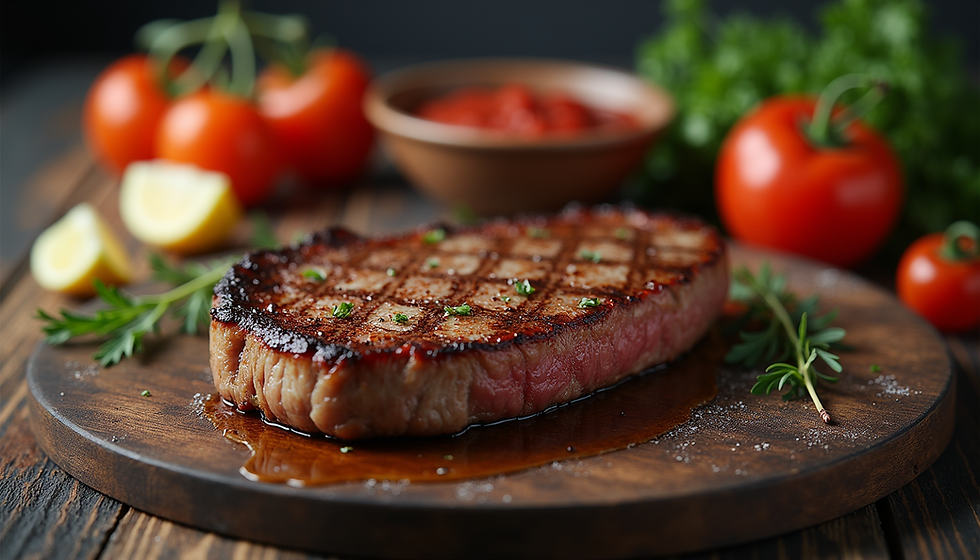
Grass Fed Versus Grain Fed: What Changes?

A steak’s character is decided long before it reaches the grill. In the conversation around grass fed versus grain fed beef, the real distinction is not a simple contest between good and bad. It is a question of flavor, texture, marbling, provenance, and the style of experience you want on the plate.
For a guest choosing a memorable steak dinner, labels can be useful, but they are only part of the story. Breed, country of origin, animal husbandry, aging, butchery, and precise cooking all shape the final result. A remarkable ribeye is never remarkable because of a single word on a menu.
Grass Fed Versus Grain Fed Beef: The Essential Difference
Grass-fed cattle eat forage such as grass and hay for most or all of their lives. In its strictest sense, grass-finished beef comes from cattle that remain on a forage-based diet until harvest. The meat is often associated with a more pronounced beef flavor, a leaner profile, and a firmer, more mineral-driven character.
Grain-fed cattle also begin life on pasture in many production systems. Later, they are finished on a carefully managed ration that may include corn, barley, wheat, or other grains. This finishing period encourages intramuscular fat, known as marbling, and typically creates the plush, buttery texture many diners expect from classic premium steakhouse cuts.
The wording deserves attention. “Grass fed” does not always mean “grass finished,” and regulations and common usage can vary by country. A thoughtful steak program considers the full production story rather than relying on one headline claim.
Flavor: Bright Pasture Notes or Deep Richness
The most immediate difference between grass-fed and grain-fed beef is often flavor. Grass-fed beef can be lively, savory, and distinctively beef-forward, sometimes with herbal, earthy, or slightly mineral notes. Its flavor tends to feel clean and direct, especially in cuts with less fat.
Grain-fed beef is usually richer and rounder. The greater marbling carries flavor across the palate and softens each bite, giving the steak a luxurious finish. A well-marbled grain-fed strip steak or ribeye can feel almost creamy when cooked with restraint and rested properly.
Neither profile is inherently superior. It depends on the occasion and the guest. Someone seeking a leaner steak with an assertive, natural beef character may be drawn to grass-fed beef. Someone planning a celebratory dinner, a generous red wine, and a beautifully marbled ribeye may prefer the opulence associated with grain finishing.
Country and breed can add another dimension. Angus, Hereford, Wagyu, and other breeds each bring their own texture and fat distribution. The grazing lands of South America, the feeding traditions of the United States, and the meticulous marbling standards associated with Japanese beef all create recognizable styles. This is why an international steak selection can be so compelling: it allows guests to taste a range of interpretations rather than treating beef as a single category.
Marbling and Texture Are Not Small Details
Marbling is the fine network of fat within the muscle. As a steak cooks, that fat renders and bastes the meat from within. The result is tenderness, juiciness, and a fuller mouthfeel. Grain-fed beef often develops more marbling, particularly in breeds selected for premium steak production.
Grass-fed beef is frequently leaner. This does not make it dry by definition, but it does make precision more important. With less internal fat to protect the muscle, grass-fed steaks can become firm or dry if pushed too far beyond medium-rare. Proper aging, a well-heated grill, a measured resting time, and a confident hand with doneness are essential.
Texture is also influenced by the cut. A tenderloin will remain naturally delicate regardless of feeding method, while a ribeye emphasizes richness and fat. A sirloin may offer a more muscular, classic steak texture. Comparing feeding systems without considering the cut can lead to misleading expectations.
Aging Changes the Conversation
Aging is one of the quiet forces behind a great steak. Dry aging concentrates flavor and can bring nutty, savory depth. Wet aging tends to preserve a fresher, juicier profile while allowing the meat to become more tender over time.
For leaner grass-fed beef, careful aging can soften the texture and deepen its natural character. For highly marbled grain-fed cuts, aging can add complexity without sacrificing the richness guests prize. When choosing a steak, asking how it has been aged can be as revealing as asking what the animal ate.
Nutrition: Meaningful Differences, Not a Shortcut
Grass-fed beef is often valued for having a leaner fat profile and, in many cases, somewhat higher levels of omega-3 fatty acids and certain antioxidant compounds. Grain-fed beef may contain more total fat and calories, especially in heavily marbled cuts. These are real distinctions, but their practical meaning depends on portion size, the specific cut, and the overall pattern of a person’s diet.
A steak dinner is not a nutritional equation to be solved by a label alone. Protein, iron, zinc, vitamin B12, and satisfaction at the table all matter. A smaller, beautifully prepared steak served with seasonal vegetables and a thoughtful glass of wine can fit comfortably into a balanced lifestyle, whether the beef is grass-fed or grain-fed.
For guests with specific dietary needs, leaner cuts and cooking methods may be more relevant than the feeding system. Filet, sirloin, or carefully trimmed grass-fed cuts can offer a lighter direction, while a richly marbled ribeye is best approached as the indulgence it is meant to be.
Cooking Each Style With Respect
Grain-fed beef is generally more forgiving because marbling protects it from the heat. High-heat grilling or pan-searing develops a deep crust while the interior remains tender. Ribeye, strip steak, and Wagyu-inspired cuts benefit from attentive rendering, but they should never be rushed.
Grass-fed beef rewards a slightly gentler approach. Bring the steak closer to room temperature before cooking, season simply, and avoid excessive heat exposure. Medium-rare is often the sweet spot, preserving the meat’s moisture and nuanced flavor. Resting is particularly important, allowing juices to settle back through the steak rather than escaping with the first slice.
There is no universal rule that grass-fed beef must be cooked rare or that grain-fed beef must be ordered medium-rare. Personal preference remains valid. Still, the best dining experiences begin with an understanding of what the steak naturally wants to become.
Choosing the Right Steak for the Moment
Choose grass-fed beef when you want a more direct expression of beef, a leaner bite, and a sense of place shaped by pasture and climate. It pairs beautifully with bright sauces, grilled vegetables, chimichurri, and wines with freshness and acidity.
Choose grain-fed beef when the occasion calls for tenderness, rich marbling, and a more decadent steakhouse experience. Its generous texture stands up confidently to fuller-bodied reds, roasted potatoes, creamed sides, and the unhurried rhythm of a long dinner.
At La Pampa, the pleasure lies in seeing these distinctions as an invitation rather than a dilemma. An exceptional steak list should give each guest a reason to choose: an Argentine-style cut for its character, an Angus steak for its familiar richness, or a highly marbled selection for a rare celebratory moment.
The most satisfying choice is the one that suits your palate, your wine, and the company across the table. Let the feeding method guide your curiosity, then let the aroma of a properly seared steak make the final introduction.