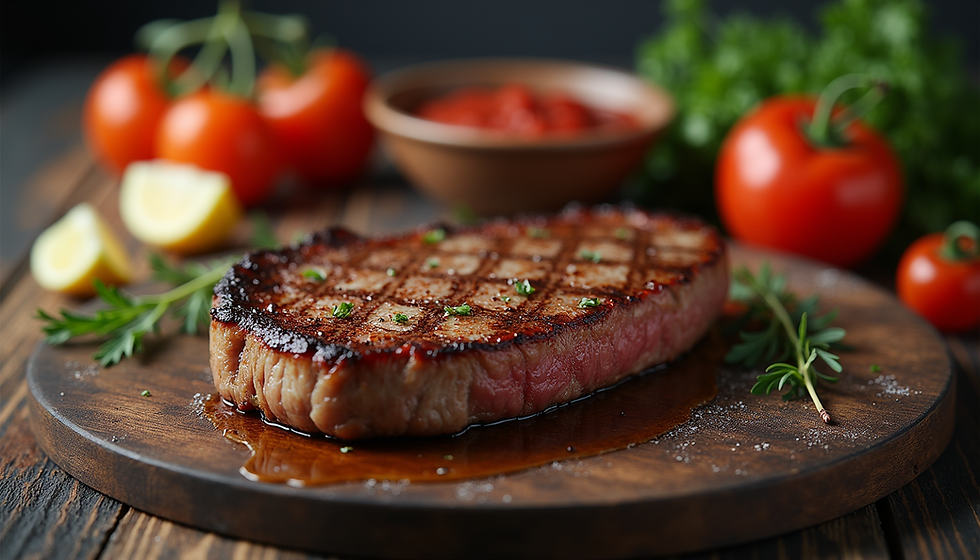
Kobe Marha Bemutató for Serious Steak Lovers

A Kobe marha bemutató is not simply an introduction to an expensive steak. It is an opportunity to understand why a small, rigorously protected category of Japanese beef has become a reference point for luxury dining worldwide. Its appeal begins with marbling, but the experience is defined just as much by provenance, careful handling, measured cooking, and the moment the first delicate slice reaches the table.
For guests who appreciate exceptional ingredients, Kobe beef offers a different expression of steak. It is refined rather than forceful, intensely savory yet remarkably tender, and best enjoyed with attention to the details that make it rare. In an elegant steakhouse setting, it can turn a business dinner, a special celebration, or an evening for two into something genuinely memorable.
Kobe Marha Bemutató: What Makes It Exceptional
Authentic Kobe beef comes from Tajima cattle raised in Japan's Hyogo Prefecture and must meet exacting standards before it can carry the Kobe name. This distinction matters. Kobe is part of the wider Wagyu family, but Wagyu and Kobe are not interchangeable terms. Wagyu describes Japanese cattle breeds and their crossbreeds, while Kobe refers to a much narrower designation with defined origin, lineage, grading, and processing requirements.
The visual signature is its abundant intramuscular fat, known as marbling. Fine white veins run through the red meat, creating a texture that appears almost architectural before cooking. When exposed to heat, that fat renders quickly, carrying flavor through every bite and giving the beef its characteristic softness.
Yet marbling alone does not explain Kobe's reputation. The fat has a notably low melting point, which contributes to a silky, almost melting sensation on the palate. The flavor is rich but not heavy when the portion and preparation are considered carefully. There is sweetness, depth, and a rounded umami character that lingers without overwhelming the meal.
This is why Kobe should not be judged by the same standards as a large, leaner steak. A generous ribeye can be about appetite and dramatic char. Kobe is about concentration, nuance, and controlled indulgence.
The Difference Between Kobe and Other Premium Steaks
A world-class steak selection is exciting precisely because no single cut or origin is right for every guest. Argentine beef may offer a bold, beef-forward character and a firm, satisfying bite. American Angus can deliver familiar richness and pronounced grill flavor. Other Wagyu selections may feature exceptional marbling while expressing a different regional style or breeding profile.
Kobe occupies its own place within that conversation. Its texture is more delicate, its richness more immediate, and its ideal serving size often more restrained. Guests who usually choose steak for a powerful grilled crust and substantial chew may prefer a larger Angus or South American cut. Those looking to experience the finest side of marbling, however, will find Kobe compelling.
The distinction is not a hierarchy so much as a matter of occasion and preference. A steakhouse meal becomes more rewarding when the choice reflects what the table wants to explore. One guest may order a classic cut for its charred exterior and robust flavor, while another chooses Kobe for a tasting experience that feels precise and rare. Sharing both can be the most revealing way to appreciate the contrast.
Why portion size matters
With Kobe, more is not always better. Because the beef is so marbled, a smaller portion can be deeply satisfying. It leaves room for the progression of the evening: an opening course, a carefully selected side, perhaps dessert, and above all a wine pairing that gives the steak another dimension.
This measured approach also allows the ingredient to remain the center of attention. Kobe is not a steak that needs to be disguised beneath heavy sauces or elaborate garnishes. Its quality is most evident when the plate is composed with restraint.
Preparing Kobe With Respect
Precision begins well before the grill. Premium beef benefits from proper tempering, exact portioning, and a chef's understanding of how quickly intramuscular fat responds to heat. The goal is not to render everything away, but to create enough warmth for the marbling to soften and perfume the meat while preserving the steak's delicate structure.
For this reason, medium-rare is often an excellent starting point, though the best temperature can depend on the specific cut and the guest's preference. Cooking Kobe too far can diminish its tenderness and mute the elegant quality that makes it distinctive. On the other hand, serving it too cool may prevent the marbling from opening fully on the palate.
A confident steakhouse kitchen also understands the value of rest. Once cooked, the beef needs a brief pause so its juices can settle. Then it should be sliced and served promptly, at the point where aroma, warmth, and texture are in balance.
Seasoning should be purposeful and restrained. Fine salt enhances the natural savory notes; fresh pepper can add lift if used judiciously. A touch of acidity or a clean, bright condiment may create contrast, but the purpose is to frame the beef, never to compete with it.
Sides that complement, not crowd
The ideal accompaniment brings texture or freshness to a rich steak. Crisp vegetables, a refined potato preparation, grilled asparagus, or a lightly dressed salad can provide welcome balance. Earthy mushrooms are another natural partner, especially when their savory depth is kept clean and not overly creamy.
The decision depends on the meal's rhythm. For an intimate dinner, one composed side may be enough. For a larger table sampling several steak styles, a selection of shared accompaniments creates a more generous and social experience without taking focus away from the meat.
Wine Pairing for Kobe Beef
Kobe's texture calls for a wine chosen with more thought than sheer power. A very tannic, heavily oaked red can dominate the beef's subtle sweetness, particularly if the steak is served in a smaller portion. The best pairing has freshness, balance, and enough structure to stand beside the richness without masking it.
A refined Malbec can be an excellent choice, especially one with ripe dark fruit, polished tannins, and a savory finish. The grape's natural generosity echoes the steak's depth, while its acidity can refresh the palate between bites. This is where an Argentine steakhouse perspective is especially valuable: a serious Malbec selection offers styles ranging from bright and floral to layered and cellar-worthy.
Depending on the preparation, elegant Pinot Noir, mature Cabernet Franc, or a finely balanced Bordeaux-style blend may also work beautifully. There is no universal answer, because the right bottle depends on the steak's cut, doneness, seasoning, side dishes, and the wines being enjoyed by everyone at the table.
At La Pampa, the pleasure lies in treating that choice as part of the evening rather than an afterthought. With more than 300 labels and Hungary's largest Malbec selection, the wine list invites guests to pair a rare steak with a bottle that feels equally considered.
How to Enjoy a Kobe Tasting Experience
A Kobe experience rewards a slower pace. Begin with a lighter first course rather than a heavy appetizer, so the steak remains vivid and expressive. When it arrives, take the first bite without adding sauce. Notice the texture first, then the sweetness of the fat, the savory core of the beef, and the way the finish develops.
If you are sharing several steaks, taste the Kobe before a strongly charred or boldly seasoned cut. Its subtler details are easiest to recognize before the palate encounters intense smoke, spice, or tannin. A sip of wine after each bite changes the experience again, revealing either brighter fruit, more savory notes, or a longer finish.
For a host entertaining clients or international guests, this sense of discovery is part of the value. Choosing Kobe signals discernment, but offering it within a complete dinner signals hospitality. The setting, service, conversation, wine, and careful pacing matter as much as the ingredient itself.
The finest steak dinners do not need excess to feel extravagant. A properly prepared slice of Kobe beef, a thoughtfully selected glass of wine, and time at the table are often all that is needed to make an ordinary evening feel worth remembering.