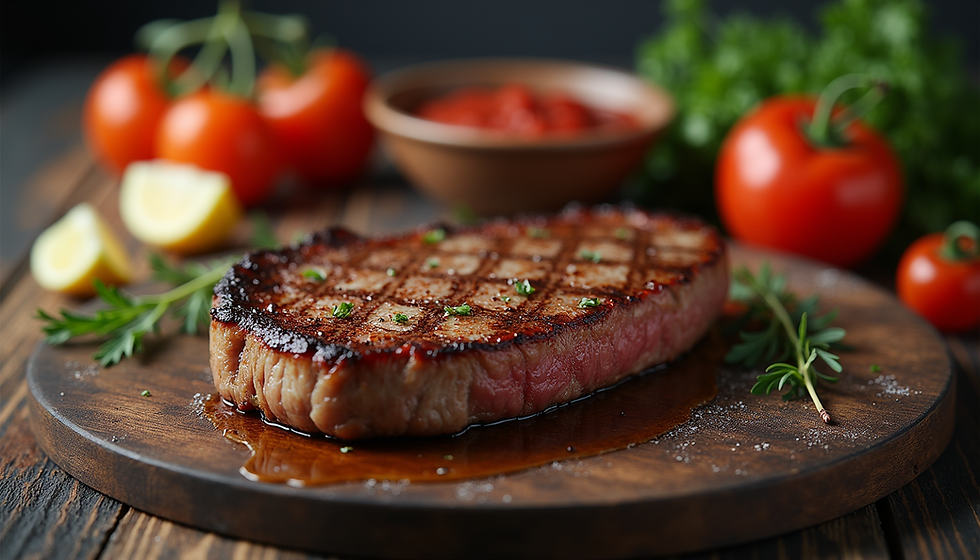
What a Wagyu Tasting Menu Should Feel Like

Updated: Sep 14
A Wagyu tasting menu is not simply a larger steak dinner served in several courses. At its best, it is a measured progression through texture, temperature, richness, and restraint. Each plate has a purpose: to introduce the singular character of highly marbled beef without allowing its intensity to overwhelm the table.
For guests who value exceptional ingredients and considered service, the experience should feel composed from the first pour to the final course. The reward is not only the unmistakable tenderness of Wagyu, but the opportunity to understand why different cuts, preparations, and pairings can reveal entirely different sides of the same remarkable beef.
Why a Wagyu Tasting Menu Requires Restraint
Wagyu is prized for its fine intramuscular marbling. As the fat warms, it carries a soft, almost silky texture and a deep savory flavor that distinguishes it from leaner, more traditionally structured steaks. That richness is precisely why a tasting menu needs discipline.
A generous Wagyu steak can be an extraordinary main course. In a multi-course format, however, the kitchen must consider pacing. Serving too much too early dulls the palate; serving every course with the same degree of richness makes even the finest beef feel repetitive. A successful menu lets anticipation build, then gives guests moments of freshness and contrast between the more indulgent expressions.
This is where true steakhouse craft becomes visible. The experience should not compete for attention through unnecessary decoration. It should rely on impeccable sourcing, confident seasoning, exact heat, and a thoughtful sequence that respects the ingredient.
The Progression That Makes the Experience Memorable
A refined Wagyu tasting menu often begins with a lighter introduction to beef. This may be a finely sliced preparation, a delicately seared bite, or another course that presents the flavor clearly before the richer cuts arrive. The goal is to awaken the palate, not to fill it.
The following course can introduce a different expression of texture. A brief kiss of heat may deepen the aroma, while a subtle acidic element can sharpen the flavors without masking the beef. Citrus, pickled vegetables, a restrained herb sauce, or a precise touch of spice can work beautifully when used with care. The supporting ingredients should refresh, not distract.
The central steak course is the natural high point. Here, portion size matters as much as cut selection. Wagyu is best appreciated in measured slices, served promptly and at the temperature that allows the marbling to soften without losing the meat's structure. A skilled server can make this moment even more rewarding by guiding the guest through the cut, its origin, and the most suitable wine.
A final savory course may bring a more familiar steakhouse sensibility, perhaps through a contrasting cut, a carefully chosen side, or a preparation that emphasizes char and depth rather than pure richness. The conclusion should leave the guest satisfied, not fatigued. Dessert, too, benefits from a lighter touch: fruit, dark chocolate, or a quietly elegant cream-based finish often offers more harmony than excessive sweetness.
Cut, Origin, and Preparation All Change the Story
There is no single Wagyu experience. The breed, feeding, grading, region, cut, and aging approach all influence what arrives at the table. Some cuts offer a delicate, buttery softness; others have a more pronounced beef flavor and a firmer bite. A striploin may present a different balance than ribeye, while a tenderloin can feel especially refined but less intensely flavored.
Preparation matters just as much. Thin slices cooked quickly can highlight the melting quality of the marbling. A thicker-cut steak allows a more traditional steakhouse experience, with a caramelized exterior and a warm, tender center. Neither is automatically superior. It depends on the character of the beef and on the role that course plays within the meal.
For this reason, the most compelling menus do not treat Wagyu as a label alone. They give the guest a sense of place and intention. A great steak becomes more memorable when one understands why it was chosen, how it was prepared, and what it is being paired with.
Wine Pairing for Wagyu: Balance Over Power
The instinct to select the biggest red on the list is understandable, but it is not always the most elegant choice. Wagyu's marbling can soften firm tannins, yet an overly alcoholic or heavily oaked wine may overpower its finer details. The right pairing creates lift and contrast while preserving the meat's depth.
A fresh, structured Malbec is a natural companion to grilled Wagyu, especially when the steak has a pronounced sear. Its dark fruit, floral tones, and savory edge can meet the intensity of the beef while retaining enough brightness to keep the palate engaged. Cabernet Sauvignon, Syrah, and select Bordeaux-style blends can also be excellent choices, particularly with fuller-bodied cuts and more deeply roasted preparations.
For lighter opening courses, a more nuanced direction can be compelling. A refined Pinot Noir can complement delicate slices of Wagyu, while certain mineral-driven whites or mature sparkling wines can provide surprising freshness against the buttery texture. The best choice depends on the course, the sauce, and the guest's preferences. A single bottle may carry a dinner beautifully, but a curated by-the-glass progression can reveal more of the menu's detail.
At La Pampa, a wine list with particular depth in Malbec creates an especially fitting setting for this conversation between Argentine steakhouse tradition and internationally sourced premium beef. Professional guidance turns a strong bottle into a pairing with purpose.
What to Look for When Choosing the Experience
A tasting menu earns its place when it offers more than a sequence of expensive ingredients. Look for a restaurant where the staff can explain the beef with clarity, where courses arrive at an unhurried but attentive pace, and where the room supports the occasion. The atmosphere matters. A special meal should allow conversation to flow, whether the table is set for a milestone evening, an important business dinner, or a small gathering of people who genuinely enjoy food and wine.
The kitchen's approach to seasoning is another useful sign. Salt, pepper, smoke, and fire can elevate Wagyu, but heavy sauces are rarely necessary. The same is true of side dishes. Well-prepared vegetables, potatoes, or a bright salad can bring welcome contrast, provided they are not designed to compete with the steak.
Service should feel informed rather than rehearsed. Guests may want detailed information about origin and marbling, or they may simply want to relax and trust the recommendations. Both approaches deserve the same confidence and care. A premium experience recognizes the difference.
How to Enjoy Each Course Fully
Arrive with appetite, but do not rush. Wagyu rewards attention because its texture changes as it cools. Taste the first slice on its own before adding salt, sauce, or a side dish. Then return to it with the suggested accompaniment and wine. This small pause makes the contrast more apparent.
If several wines are offered, compare rather than merely sip. Notice whether one wine emphasizes the savory character of the beef while another brightens its richness. There is no need to search for a single correct answer. Personal preference matters, and the pleasure lies in recognizing what feels most harmonious to you.
A Wagyu tasting menu is ultimately an invitation to slow the evening down. Choose a table worth lingering at, allow each course its moment, and let exceptional beef, precise cooking, and thoughtful wine service turn dinner into an occasion.